
Some Easy Fixes For Problems We All Run Into
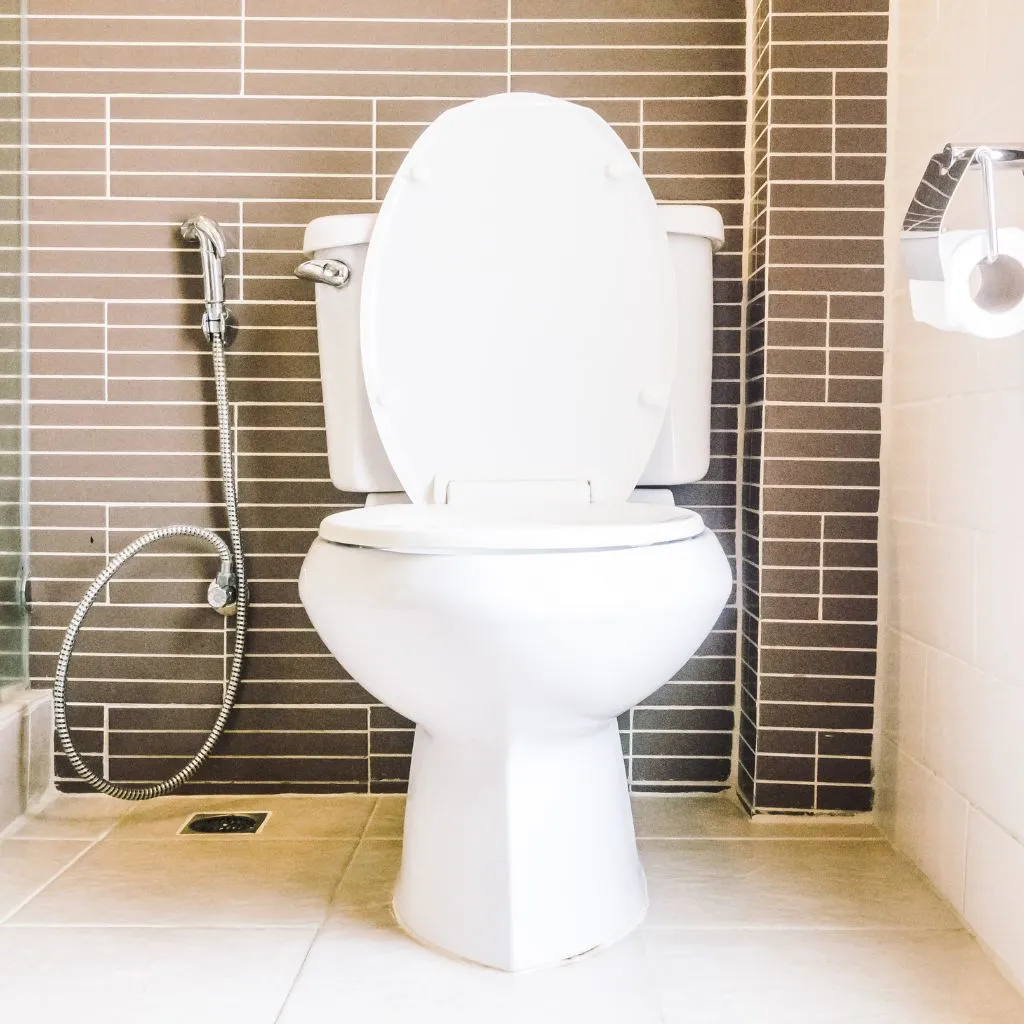
Good day to our DIY?er?s out there, here are some easy fixes for this pesky toilet problem that we all run into.
Is your toilet leaking water every time you flush? Or do you wake up and find water pooled around your toilet? Here are your possible issues.
 The wax seal makes a waterproof connection between the floor flange and the base of the toilet. If the toilet has come loose and shifted, this could have broken that seal, which would allow water to seep out whenever you flush your toilet. You could start to notice your floor lifting, discoloration in tile or grout, or water staining on the ceiling below the toilet. If you do notice any of these symptoms, follow these steps and that should resolve any issues. Have a garbage bag or a piece of cardboard to set the toilet on once removed.
Turn off the water supply and disconnect the supply line. Some water will spill out as long as the shutoff works. Take off t-bolts if possible. They could be rusted and seized in place. If this is the case, just cut them off with either a reciprocating saw or a hack saw. Be careful not to damage the porcelain finish. Use a shop vac to remove any water that is in the toilet.
Lay it on its side and remove any excess wax seal from the bottom of the toilet. Scrape the remainder of the wax seal off the floor flange and check it for damage. The flange could have cracked where the bolts slide in, or if it?s been leaking for quite some time it could have rusted the screws. In this case, the flange should be replaced. At this point, it would be good to call out a professional to have it done properly. So if everything else has gone smoothly, now is the time to replace the wax seal. Now if you are not sure which type of seal you should use, let us walk you through it. Horned wax seal- To be used if you have a brass floor flange mounted to the floor as a replacement for the old flange. Or if you have a flange that sits below the floor. This will usually give you the height you need to get a proper seal.
Normal wax ring- If the flange is above the floor, use a regular wax seal. These will create a nice tight seal for your toilet and resolve your leaking issue.
Rubber wax seal- As of late, they have come up with a few different types of wax-less seals. Some are to repair a damaged flange. Others just replace the traditional wax seal. They use the weight of the toilet and the rubber gasket to form a seal just as well as a wax ring. There are numerous brand names, all seem to work fine. Just use whichever you prefer.
Once you have your seal and t-bolts in place, lift your toilet and slide over the t-bolts. Replace your plastic washer, then a metal one. Put the nut on your hand tight and then use a thumb wrench to snug it up.
The toilet should sit level and snugly against the floor.
If not check the following:
Has your floor warped due to the leaking toilet?
Did you use a horned wax seal when you shouldn?t have?
Is the toilet seated properly?
If your toilet has seated properly, Great Job! You have successfully set up your own toilet. Now, this is very much preference, but you can silicone the toilet to the floor when done. Only seal the front 2/3, from about where the t-bolts are towards the front. This will make your toilet sit solidly against the floor and keep it from moving around from years of use.
So that is one of the reasons your toilet could be leaking. If you wake up and there is water around your toilet then it could be one of 3 things. Check the supply, and make sure it?s tight. If it is, your next course of action is to make sure the tank is tightly sealed to the bowl. Use a wrench and a screwdriver to tighten the tank bolts. This will seal the gasket between the tank and bowl as well as the rubber washers that seal the tank bolts.
If this is sealed properly, then you?re going to have to take a good hard look at the toilet bowl and or tank. There could be a hairline crack in it which is allowing water to seep out slowly and pool on your floor. If this happens, then you will be requiring a new toilet. Now that you have all this newfound information, we invite you to try setting up your toilet yourself. Now that we have solved all your leaking problems, let?s move on to the different sounds a toilet can make.
Is your toilet squealing? Does it make a gurgling sound? Is it constantly running? Your answers are ahead.
Is your toilet running constantly or intermittently? Check your flapper initially. Does it feel stiff and misshapen? If it does, shut down the water supply and remove the flapper. You can replace it with one that is the same size, there are many generic options out there for you. If that isn?t the issue, then check the overflow tube, does it seem brittle? Is it cracked? If so you will now have to remove the tank and put a new one on. If so, Shut down the water supply, flush the toilet, and remove any excess water. loosen and remove the tank bolts. Lift the tank and set it somewhere easy to work. Remove the gasket (replace it if it seems old and dried out) and use a large wrench to remove the old overflow tube. Ensure you have one that is the same diameter as the one you are replacing. Once it is snugged up, follow your steps in reverse and re-set the tank onto the bowl. Check for leaks, and test a few times. You are good to go.
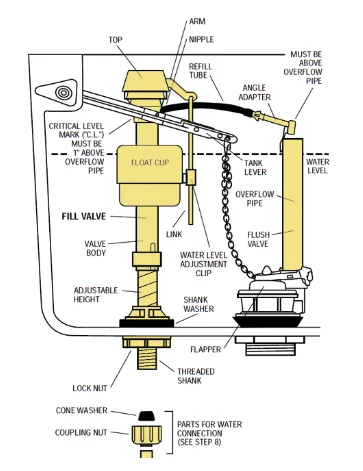
If that isn?t the case then we will tackle the fill valve or the ball cock. Most new toilets utilize a fill valve. Ball cocks are a bit outdated. Fill valves can get caked up with mineral deposits from your water. The plastic can get brittle and the float can actually fill with water. Or the sediment screen can get plugged with sediment from your waterlines. Any of these can cause your toilet to make a myriad of noises. From squeezing to humming to what sounds like a water hammer. To check the screen for buildup, shut down the water supply and flush the toilet. Reach the base of the fill valve and feel for a plastic collar. Lift it up from its current position and that will free the top from the base. Turn it over and look inside. There is a screen in there that could be blocked up. Rinse it under a faucet and put it back together. Set your collar and turn the water back on. If your issue is fixed then you?re done. Another reason your toilet could be running is your tank lever is broken or the chain is wrapped up around everything. If this is the case it would be time to install a new lever and flapper
If your toilet is gurgling, sorry folks but either your toilet is plugged, the toilet drain is plugged or the whole main is plugged. You will have to determine what it is by following the steps above for lifting the toilet. If you have standing water in your drain you are going to need a snake. You can rent these, however, if you have never used one before, they can be messy and dangerous. If you do rent a snake, just take the proper precautions when using these machines. They are powerful and can break fingers and limbs. Follow the directions carefully. If you aren?t comfortable resolving this issue yourself. Feel free to give us, Boisvert & Croft a call at 780-818-3021. I hope this was helpful, and if you have any questions feel free to call us for advice. We will answer the phone 7 days a week 24hrs a day.
CONTACT US FOR PROFESSIONAL HELP
(780) 818-3021